ServicesPaint and Refinishing
Paint and Refinishing in Kerman
When your car's paint is scratched, faded or peeling, we sand it back to a sound surface, match the color to your vehicle and lay down fresh base and clear coat. You get a finish that blends in, and we show you what we found before any work starts.
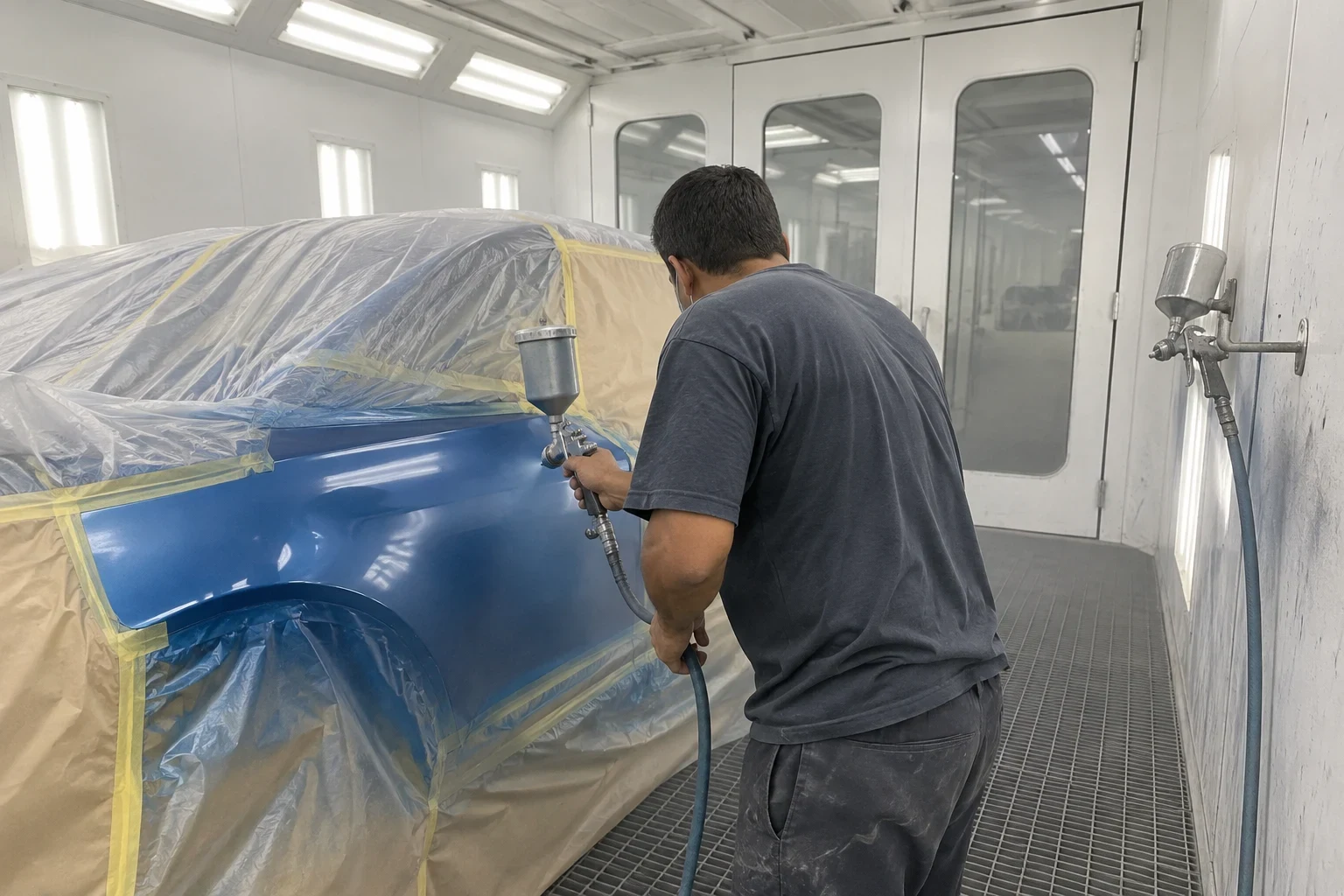
What Paint and Refinishing Covers
Paint and refinishing is the work of restoring the outer finish of your vehicle. That can mean one scuffed door, a hood that has lost its shine or a full panel-by-panel refinish after a repair. Modern car paint is a system of layers: primer, a colored base coat, then a clear coat that does most of the work against sun and weather. When the clear coat fails, the color underneath goes chalky fast.
We look at your car the way we would look at a neighbor's. If a polish will bring a dull panel back, we tell you that instead of selling you paint. If the clear is lifting or the damage reaches bare metal, we explain why refinishing is the honest fix and what it involves.
Paint work also follows most other repairs. After collision repair, dent repair or bumper repair, the panel needs a refinish that disappears into the rest of the car, and that is the part people notice first.
What the Work Includes
- Color matching to your car
- We start from your vehicle's paint code, then check it against the actual car with test sprays. Paint shifts with age and sun, so the code alone is rarely the final word.
- Blending into nearby panels
- To avoid a door that looks a shade off from the fender next to it, we feather the new color into the adjoining panels. The eye then reads one continuous color.
- Surface prep down to sound paint
- Failing clear coat, rust spots and old touch-up gets sanded out. Primer and sealer go on where needed so the new paint has something solid to grip.
- Fresh base and clear coat
- We spray the color coat and a new clear coat in the paint booth, then let it cure properly before anyone handles it.
- Finish work and cleanup
- Once cured, we wet sand and polish out any texture, reinstall trim and handles, and clean your car before you pick it up.
Signs Your Paint Needs Attention
Clear coat peeling or flaking
White, cloudy patches on the roof, hood or trunk mean the clear coat is breaking down. Once it starts lifting, it spreads, and no amount of waxing will stop it.
Faded or chalky color
Long Central Valley summers are hard on horizontal panels. If your red has gone pink or your black looks gray, the protective layer is likely worn through.
Scratches you can catch a fingernail on
A light scuff often polishes out. A scratch deep enough to catch your nail has usually gone through the clear and needs to be filled and refinished.
Rock chips turning to rust
Small chips on the hood and front edge let moisture reach bare metal. Catching them early keeps the repair small.
A panel that doesn't match
If an earlier repair left one panel a different shade or texture, we can refinish it so it sits right with the rest of your vehicle.
How a Paint Job Runs at Our Shop
- 1
Look and estimate
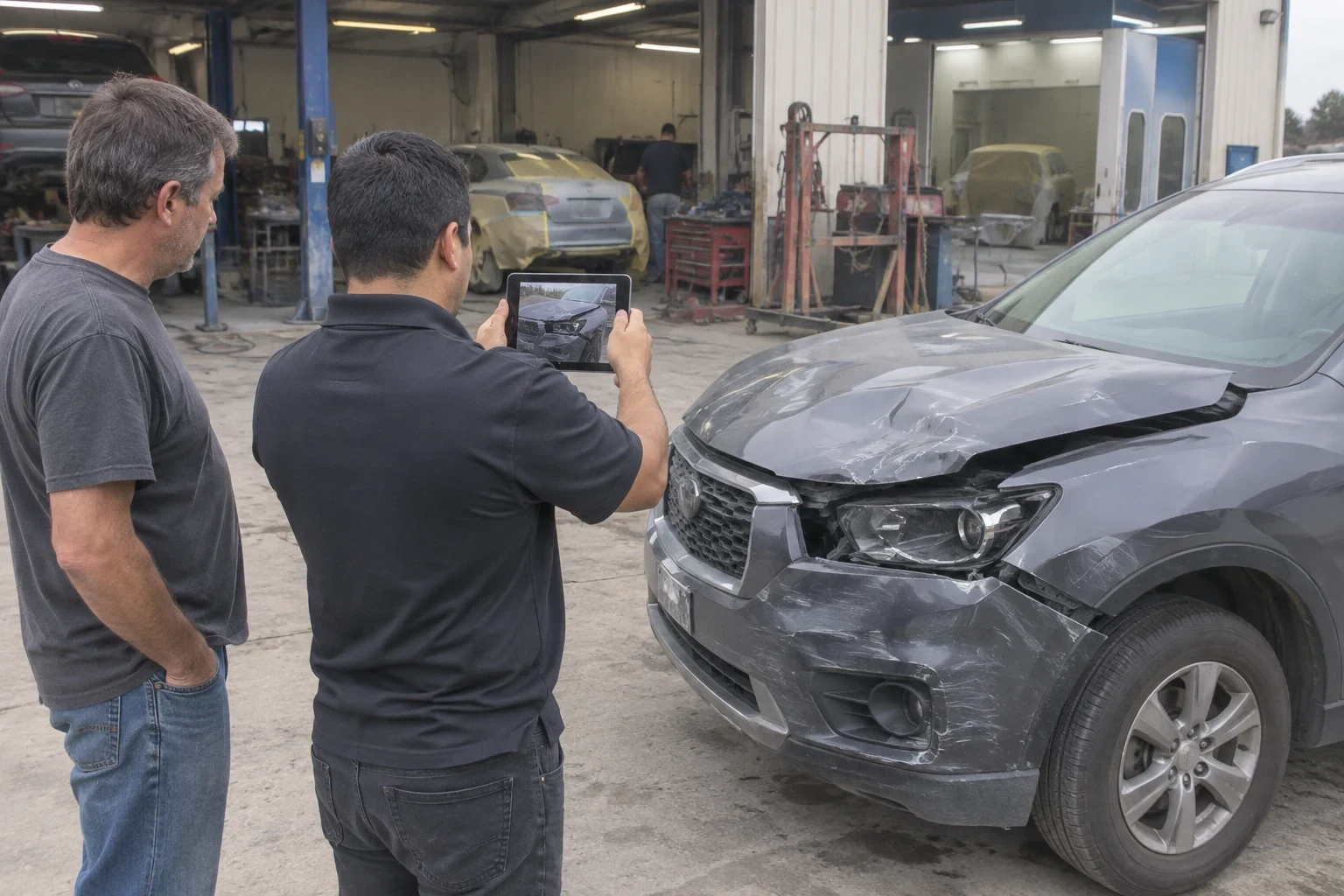
You bring your car in and we walk around it with you. We point out what needs paint, what can be polished, and put the estimate in writing line by line.
- 2
Prep and masking
We remove trim, lights or handles where needed, sand the damaged areas and mask everything that should not get paint. Most of the quality in a paint job comes from this step.
- 3
Match, spray and cure
After test sprays confirm the color, we apply base and clear in the booth and give the finish time to cure.
- 4
Polish, reassemble and check
We polish the new finish, put the parts back on and look at your car in daylight from several angles. When we are satisfied, we call you to come get it.
What Moves the Cost of Paint Work
Paint pricing depends far more on prep and the size of the area than on the paint itself. We give you a written estimate after seeing the car, and if we find hidden rust or old filler once sanding starts, we call you before doing anything extra.
- How much of the car
- A single bumper corner costs less than a hood, and a hood less than a full side. Blending into nearby panels adds some area but keeps the color even.
- Condition under the paint
- Rust, old body filler or layers of previous paint all take time to strip and repair before new color goes on.
- Color type
- Solid colors are the most straightforward. Metallics, pearls and tri-coat finishes need extra layers and more careful matching.
- Parts removal
- Taking off trim, mirrors, handles and lights gives a cleaner result, and the time it takes depends on your vehicle's design.
Paint and Refinishing Questions
Something not covered here? (559) 468-3243
Will the new paint really match the rest of my car?
That is the goal of every job here. We use your paint code as a starting point, test it against the car and blend into the panels around the repair. Blending is what keeps a refinished door from standing out next to an original fender.
Can you fix just the peeling spot on my roof?
Sometimes, but clear coat failure usually reaches further than what you can see. We check the whole panel and tell you honestly whether a spot repair will hold or whether the full roof should be refinished.
How long will my car be at the shop?
It depends on how many panels are involved and what we find under the old paint. We give you a realistic timeline with the estimate and let you know if anything changes.
When can I wash or wax it after a refinish?
A gentle hand wash is fine after a short wait, and we will tell you the timing when you pick up your car. Hold off on wax and automatic car washes for a while so the fresh clear coat can finish hardening.
Is paint work covered by my insurance?
If the paint damage came from an accident or a covered event, it is usually part of the insurance claim. Fading and peeling from age generally are not. Our Insurance Claims page explains how we work with your adjuster.
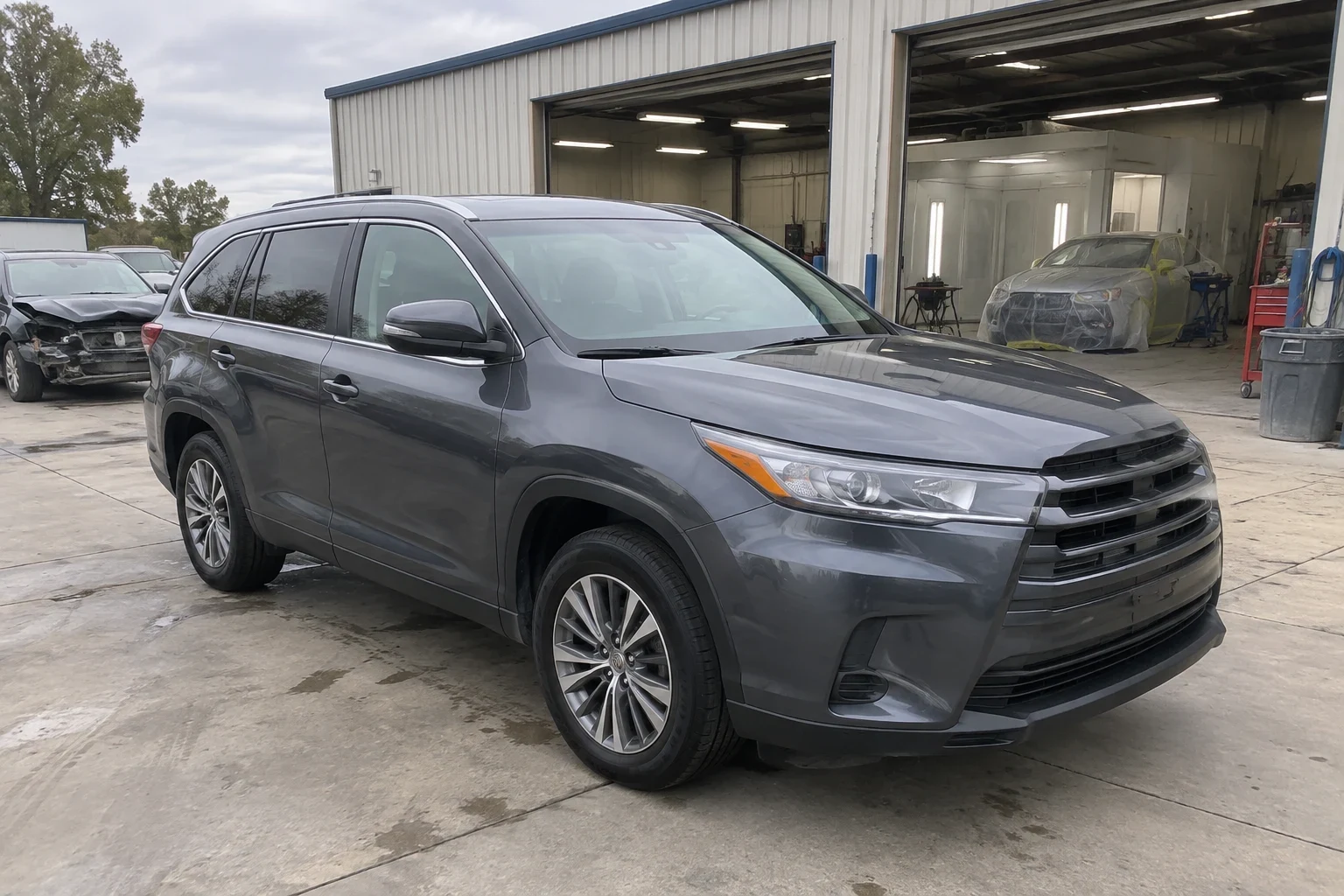
Let's Take a Look at Your Paint
Tell us what is going on with your car's finish and bring it by so we can see it. We will explain what it needs and put the estimate in writing.